What Are Computer Networking Skills in the Age of Zero-Trust Security and SD-WAN? (2026 Guide)
Computer networking skills in 2026 go beyond cables and routers. Learn the modern networking skill stack—from Zero-Trust security and cloud VPNs to SD-WAN and automation.

Web developer and digital tools creator who studies modern infrastructure, cloud systems, and evolving IT skill requirements.
What Are Computer Networking Skills in the Age of Zero-Trust Security and SD-WAN? (2026 Guide)
If you search “what are computer networking skills”, you’ll still see definitions focused on:
- Cables
- Switches
- Routers
- Local networks
That definition is incomplete.
In 2026, networking is no longer just about physical infrastructure.
It is about secure connectivity across cloud systems, remote users, SaaS platforms, and distributed environments.
This guide explains what computer networking skills really mean today—and what modern professionals are expected to understand.
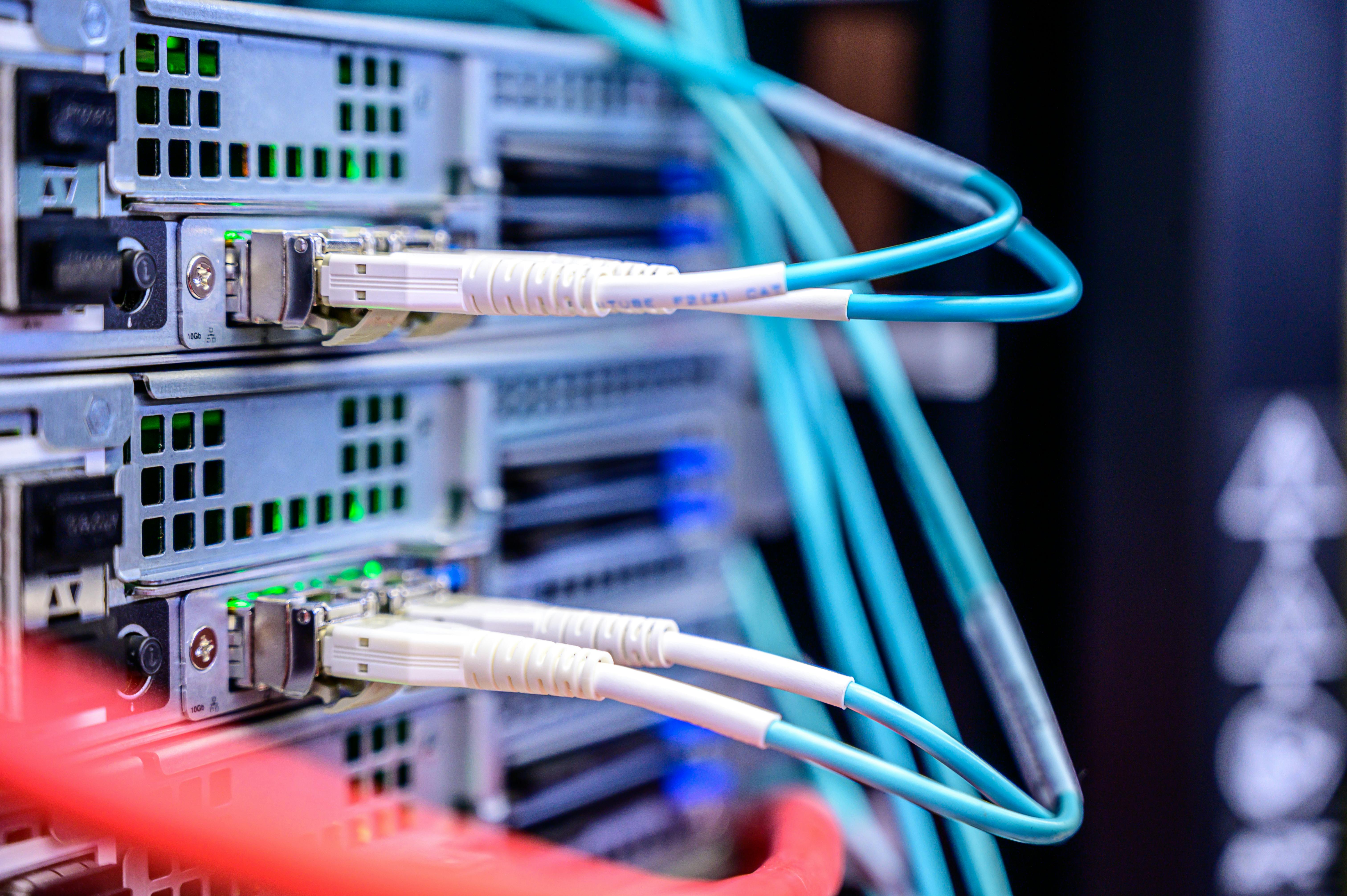 Modern networks connect users, cloud platforms, and services securely.
What Are Computer Networking Skills? (Modern Definition)
Computer networking skills are the abilities required to:
- Design and maintain network connectivity
- Secure connections between users and systems
- Manage hybrid and cloud-based infrastructure
- Ensure performance and availability
In 2026, networking is:
- Cloud-first
- Security-driven
- Software-defined
- Automation-aware
If you're building foundational digital skills, you may also want to read:
👉 Computer Literacy vs. Digital Fluency (2026)
Networking is part of that broader shift.
Traditional vs Modern Networking (Side-by-Side)
| Traditional Networking | Modern Networking (2026) |
|---|---|
| Physical LAN focus | Hybrid & cloud networks |
| Perimeter firewall model | Zero-Trust architecture |
| MPLS WAN | SD-WAN |
| Static configuration | Software-defined control |
| Manual CLI setup | API & automation-based |
| On-site workforce | Remote-first workforce |
The fundamentals remain important—but the environment has expanded.
The Modern Computer Networking Skill Stack (2026)
1. Networking Fundamentals (Still Required)
You cannot skip the basics.
Core knowledge includes:
- IP addressing (IPv4 & IPv6)
- Subnetting
- DNS & DHCP
- TCP/IP fundamentals
- Routing & switching principles
These are foundational.
Without them, advanced networking concepts won’t make sense.
2. Cloud Networking & Hybrid Connectivity
Most companies now operate in hybrid environments.
Modern networking skills include understanding:
- Virtual Private Clouds (VPCs)
- Azure VNets
- Cloud gateways
- Site-to-site VPNs
- Client VPNs
- On-prem to cloud connectivity
Cloud platforms commonly used:
- AWS
- Microsoft Azure
- Google Cloud
You don’t need hyperscale design expertise—but you must understand how cloud networking behaves differently from traditional LANs.
3. Zero-Trust Networking (Core 2026 Skill)
The traditional “trusted internal network” model is outdated.
Zero-Trust follows one principle:
Never trust. Always verify.
Modern networking professionals must understand:
- Identity-based access control
- Micro-segmentation
- Device posture validation
- Role-based access policies
- Identity-aware proxies
In 2026, networking and security are tightly integrated.
If you want to strengthen your security fundamentals, read:
👉 How to Create Strong Passwords You’ll Actually Remember
Security awareness is part of modern networking.
4. SD-WAN (Software-Defined WAN)
Traditional WAN models relied heavily on MPLS circuits.
Today, SD-WAN provides:
- Centralized policy control
- Application-aware routing
- Dynamic path selection
- Multi-link redundancy
- Better cost efficiency
SD-WAN skills include:
- Understanding overlay networks
- Traffic prioritization
- Performance-based routing logic
This is now standard in distributed organizations.
5. Network Security & Monitoring
Networking now overlaps heavily with cybersecurity.
Modern networking professionals should understand:
- Firewall concepts (traditional & cloud)
- Encrypted traffic (TLS basics)
- Access control lists
- Network segmentation
- Logging and monitoring systems
Security is no longer optional knowledge.
6. Network Automation & Infrastructure as Code
Manual configuration does not scale in cloud-first systems.
Modern networking skills increasingly include:
- Configuration templating
- Infrastructure as Code (IaC)
- API-based network management
- Basic automation scripting
Common tools:
- Ansible
- Terraform
- Python (automation basics)
You don’t need deep programming skills—but automation awareness is expected.
Real-World Example: Modern Networking Scenario
Imagine a company with:
- Remote employees
- Cloud-hosted applications
- SaaS tools
- On-prem legacy systems
A modern networking professional must:
- Secure user access through identity-based controls
- Connect offices via SD-WAN
- Configure hybrid VPN connectivity
- Monitor performance
- Automate configuration updates
This is far beyond plugging in cables.
Who Needs Modern Networking Skills in 2026?
These skills are valuable for:
- Network engineers
- Cloud engineers
- DevOps professionals
- Security analysts
- System administrators
- IT support specialists
Even developers benefit from understanding networking fundamentals in cloud systems.
How to List Computer Networking Skills on a Resume (2026)
Avoid vague statements like:
Computer networking skills
Instead write:
Computer Networking Skills:
- TCP/IP, DNS, subnetting
- Cloud networking (AWS VPC / Azure VNet)
- Site-to-site and client VPN configuration
- Zero-Trust access concepts
- SD-WAN fundamentals
- Network automation (Ansible / Terraform basics)
This signals modern relevance and depth.
Learning Path: From Fundamentals to Modern Networking
| Level | Focus |
|---|---|
| Beginner | IP, DNS, subnetting |
| Intermediate | Routing, VPNs, cloud networking |
| Advanced | Zero-Trust & SD-WAN |
| Modern | Automation & policy-based control |
Build in layers.
Do not skip the fundamentals.
Frequently Asked Questions
What are computer networking skills?
They are the abilities required to design, manage, secure, and optimize digital connectivity between devices, users, and systems.
Are traditional networking skills still relevant?
Yes. IP addressing and routing remain foundational. But they are no longer sufficient on their own.
What is Zero-Trust in simple terms?
Zero-Trust means no device or user is automatically trusted. Every access request must be verified.
Is SD-WAN important in 2026?
Yes. SD-WAN is widely used in distributed and remote-first organizations.
Do networking professionals need automation skills?
Increasingly, yes. Automation reduces manual errors and scales infrastructure efficiently.
Final Thoughts
In 2026, computer networking skills are not just about hardware.
They are about:
- Secure connectivity
- Cloud integration
- Identity-aware access
- Software-defined control
- Automation at scale
If you understand Zero-Trust models, SD-WAN, cloud networking, and automation basics, you are aligned with modern networking expectations.
Networking has evolved.
The fundamentals still matter—but the skill stack is broader and more strategic.
Related Guides
- Computer Literacy vs Digital Fluency (2026)
- Basic Computer Skills Needed to Land Your First Job
- What Are Computer Operation Skills in 2026?
About the Author
Jadox is a web developer and digital tools creator who analyzes modern IT infrastructure trends. He writes practical guides to help students and professionals understand evolving digital skill requirements.
This article reflects current industry trends and best practices. Skill requirements may vary by role and organization.
Keep learning
References
- CISA - Secure Our World - Cybersecurity and Infrastructure Security Agency
- FTC - How to Recognize and Avoid Phishing Scams - Federal Trade Commission
Topics
Frequently Asked Questions
What are basic computer skills?
Basic computer skills include typing, using a mouse and keyboard, managing files and folders, browsing the web, using email, and working with simple documents or spreadsheets.
What computer skills should I put on my resume?
Add skills that match the job, such as Microsoft Word, Excel, Outlook, file management, data entry, online research, video meetings, and cloud storage.
Can I learn computer skills without a course?
Yes. You can learn computer skills with free guides and steady practice, especially when you use real tasks like creating folders, writing documents, and sending emails.
How long does it take to learn basic computer skills?
Many beginners can learn the basics in a few weeks with regular practice, then improve through daily use at school, work, or home.
Continue learning
Related posts
For Non-Tech Roles: The Stealth Computer Skills That Make Marketers, HR & Managers Unstoppable (2026 Guide)
In 2026, non-technical professionals who master data tools, automation platforms, and low-code workflows gain a major career advantage. Learn the stealth computer skills that create leverage.
Read guideDescribe Your Computer Skills – How to Ace This Interview Question in 2026 (With Real Examples)
Learn how to answer 'Describe your computer skills' in interviews with structured examples, STAR-method scripts, and role-specific sample answers for 2026.
Read guideComputer Skills That Can Help You Make Money Online (2026 Practical Guide)
Explore realistic computer skills that allow you to earn money online in 2026. Learn what to focus on, how to start, and what actually works.
Read guide